


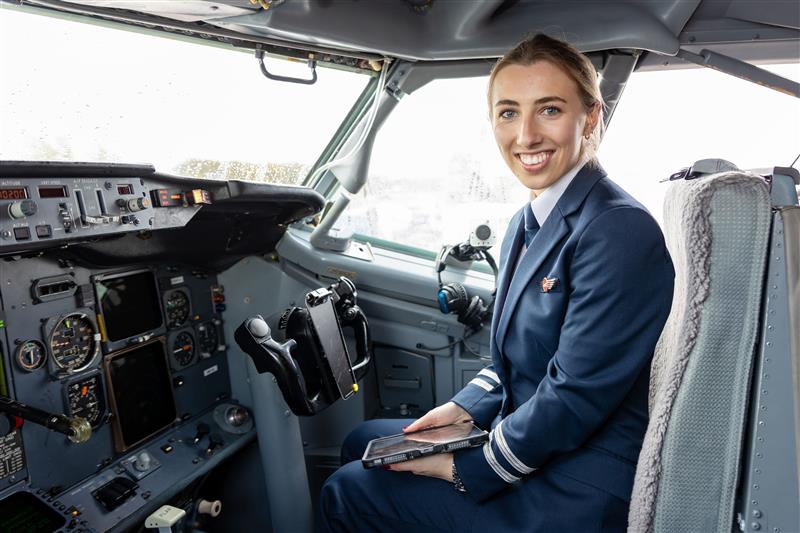
This part of the programme is designed to equip you with the necessary theoretical knowledge to operate an aircraft safely and efficiently. You will be trained in 13 different subjects related to understanding how aircraft fly, preparing for a flight, understanding and managing aircraft systems as well as how to navigate.
You’ll learn about rules of the air and the stringent safety rules and regulations that pilots must follow. You will find out how to communicate with other pilots and Air Traffic Control as well as understand how pilots manage themselves and the aircraft systems to make sure every flight is a safe one.
Your knowledge will be tested with a series of 13 different exams.
Theoretical Knowledge Instruction

Single Engine Flight Training
The single-engine flight training phase will teach you both foundation and advanced aircraft handling techniques and how to carry-out a range of manoeuvres in your training aircraft.
You will fly by day and by night, experience cross-country flying as well as practicing simulated emergency procedures.
Initial flights will be with an instructor but you’ll soon be flying solo and building your confidence.
Multi-Engine & Instrument Flight Training
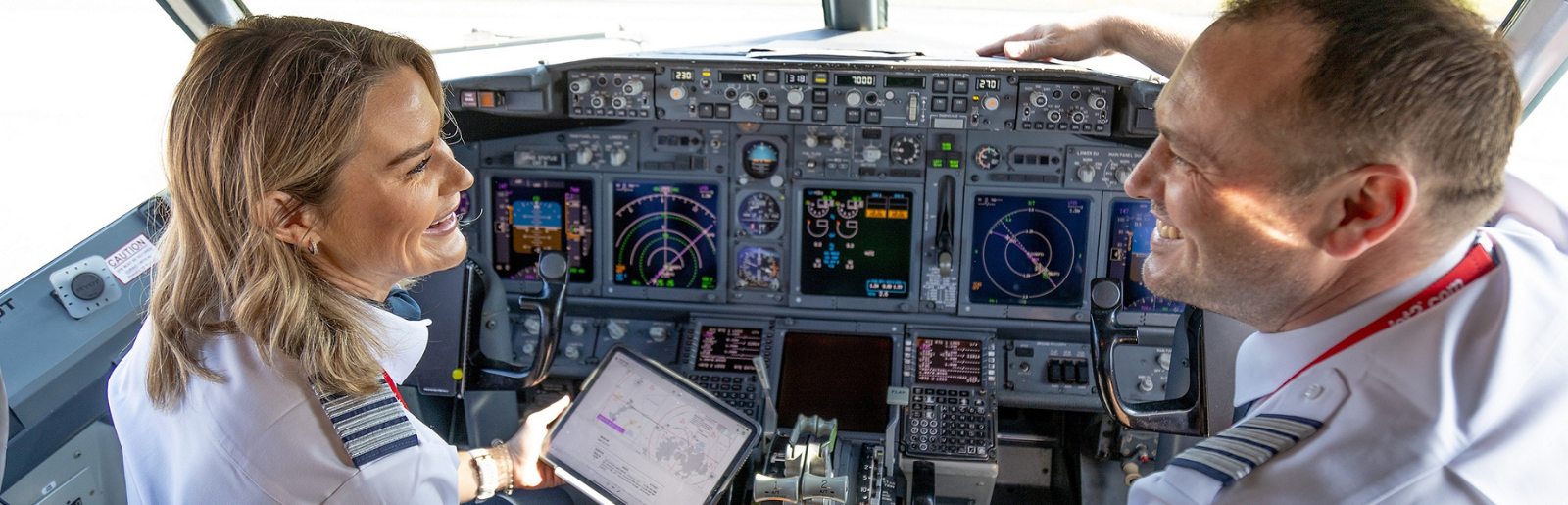
The multi-engine flight phase trains pilots to operate aircraft with more than one engine, such as twin-engine piston aeroplanes. With all commercial jet operators using multi-engine aircraft, it’s an important milestone for those looking to further their aviation careers and progress into flying more advanced and complex aircraft.
An Instrument Rating (IR) complements this by allowing pilots to fly using only the aircraft’s instruments. This means you can safely operate in reduced visibility conditions, such as cloud or poor weather, making it an essential qualification for commercial flying.
Advanced Upset Prevention & Recovery Training (AUPRT)
Advanced Upset Prevention and Recovery Training, or AUPRT for short, is specifically designed to give pilots the knowledge, skills, and confidence to recognise, prevent, and recover from aircraft upsets—situations where the aircraft unintentionally departs from normal flight parameters.
This training plays a vital role in enhancing flight safety and preparing pilots to respond effectively to unexpected scenarios.
Airline Pilot Standards / Multi Crew Cooperation (APS/MCC)
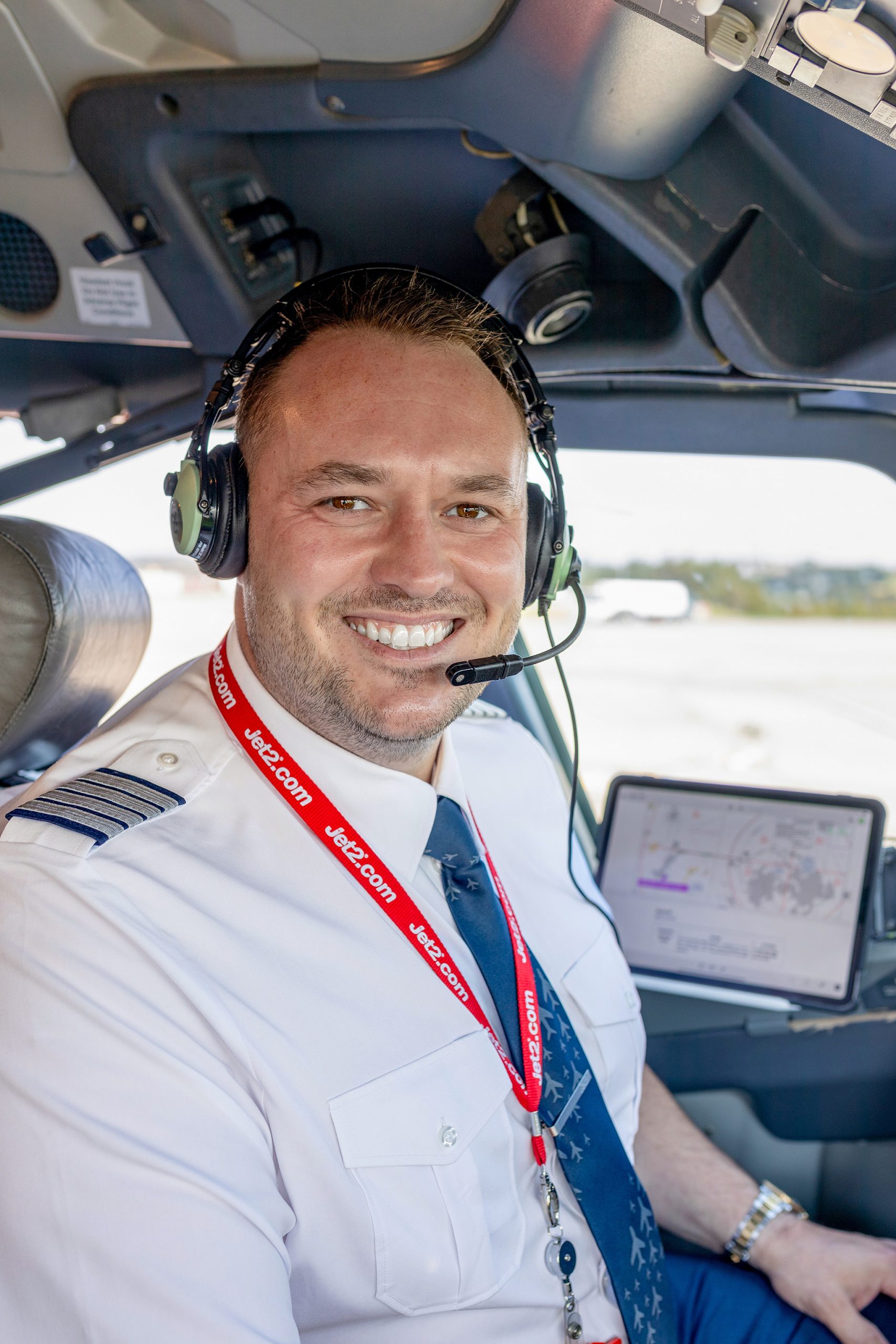
APS MCC stands for Airline Pilot Standard Multi-Crew Cooperation. It’s an advanced training course designed to better prepare pilots for flying in a multi-crew airline environment.
The APS MCC includes ground school and simulator time and places emphasis on airline-style operations, decision-making, and crew resource management. It aims to bridge the gap between flight school and the airline flight deck, giving future pilots the skills and mindset needed for safe, effective teamwork in commercial aviation.
Discovery360
Discovery360 is Jet2.com‘s immersive business exploration programme, designed to give aspiring pilots a full-circle understanding of our operation—both in and beyond the flight deck.
Combining in-person experiences with remote learning, you’ll gain valuable insight into every aspect of the airline: exploring our culture and strategy, understanding the principles behind our renowned customer service, supporting airport operations, and learning directly from our pilot community.
This is more than an introduction to flying—it’s a 360° journey into the heart of Jet2.com, helping you build commercial awareness, connect with our people, and take confident steps towards a successful airline career.